

7 Steps in Web Design: Creating a high-performing website isn’t just about visuals — it’s a structured, strategic process. Whether you’re building a business website, an e-commerce platform, or a lead generation funnel, following the right web design process ensures better SEO rankings, user experience (UX), and conversion rates.

So, what are the 7 steps in web design? Let’s break down the professional web design workflow used by top agencies and digital experts.
1️⃣ Planning & Strategy
Every successful website begins with strategy.
This stage includes:
-
Business goal definition
-
Target audience research
-
Competitor analysis
-
Keyword research for SEO
-
Sitemap planning
-
Defining conversion goals
Without proper planning, even a visually appealing website can fail.
Strategic planning aligns your website with your digital marketing objectives and revenue targets.
2️⃣ Research & Content Strategy
Content drives both SEO and user engagement.
This step focuses on:
-
High-authority keyword research
-
Content hierarchy planning
-
SEO content mapping
-
User journey mapping
-
Call-to-action (CTA) strategy
A website designed around search intent performs better in search engine rankings and converts more effectively.
3️⃣ Wireframing & Information Architecture
Before designing visuals, professionals create wireframes.
Wireframes define:
-
Page layout structure
-
Navigation flow
-
Content placement
-
Conversion elements
-
User experience pathways
Information architecture ensures your website is intuitive and easy to navigate.
This is where UX strategy takes shape.
4️⃣ UI Design (Visual Design Phase)
Once wireframes are approved, the visual identity is applied.
This phase includes:
-
Typography selection
-
Color palette development
-
Branding consistency
-
High-quality visuals
-
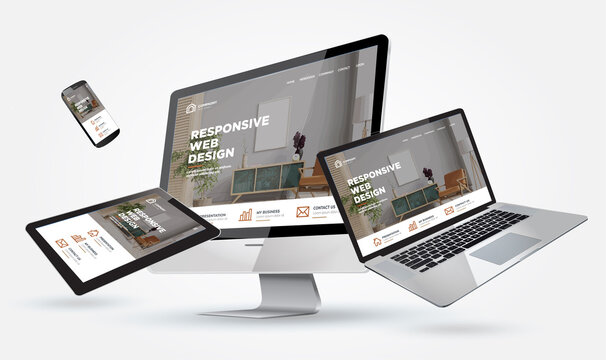
Responsive layout design
UI design transforms structure into a visually engaging, brand-aligned website.
Modern UI design also prioritizes accessibility and mobile-first principles.
5️⃣ Website Development
Now the design becomes functional.
This stage involves:
-
Front-end development (HTML, CSS, JavaScript)
-
Back-end development
-
CMS integration
-
Responsive web design implementation
-
Technical SEO setup
-
Performance optimization
Many businesses use platforms like WordPress for scalable website management.
Clean code and optimized structure improve website speed and search engine visibility.
6️⃣ Testing & Optimization
Before launch, rigorous testing is critical.
This includes:
-
Mobile responsiveness testing
-
Browser compatibility testing
-
Page speed analysis
-
SEO audit
-
Security checks
-
Conversion rate optimization (CRO) adjustments
Tools like Google PageSpeed Insights help measure performance and Core Web Vitals.
Testing ensures a smooth user experience and prevents costly post-launch issues.
7️⃣ Launch & Ongoing Maintenance
Launching the website is just the beginning.
Post-launch activities include:
-
SEO monitoring
-
Analytics tracking
-
Performance optimization
-
Content updates
-
Security maintenance
-
Conversion tracking
Web design is not a one-time project — it’s an ongoing growth strategy.
Continuous improvements increase traffic, engagement, and revenue over time.
Why Following the 7-Step Web Design Process Matters
A structured web design process ensures:
✔ Higher search engine rankings
✔ Better user experience (UX)
✔ Stronger brand credibility
✔ Improved conversion rates
✔ Faster website performance
✔ Long-term scalability
Skipping steps often leads to poor SEO performance, high bounce rates, and lost revenue opportunities.
Final Thoughts
The 7 steps in web design are:
-
Planning & Strategy
-
Research & Content Strategy
-
Wireframing & Information Architecture
-
UI Design
-
Testing & Optimization
-
Launch & Maintenance
When executed correctly, this process transforms a simple website into a powerful business growth engine.
If your goal is to build a high-performance, SEO-optimized, conversion-driven website, following these seven steps ensures measurable success in today’s competitive digital landscape.